Roofing problems rarely come with a single, obvious answer
Maybe it started with a small leak. Could be flashing, or maybe a few shingles lifted after a storm. A contractor might give you a number that feels high, but they’re not just looking at labor and materials. Complexity, access, regional norms. It all adds up.
Even an inspection might leave you with more questions than answers.
That’s because roofing decisions are rarely cut and dry. Most of the time, it comes down to tradeoffs: short-term costs vs. long-term protection, patching vs. replacing, urgency vs. risk.
Knowing how to weigh those tradeoffs makes the whole process a lot less stressful.
Why roofing advice can sound contradictory
You might get three different recommendations from three different professionals. And in a way, they could all be right.
A roofer might zero in on something that’s causing active damage. An inspector might flag potential weak points down the road. Your insurance adjuster is checking for covered loss. You’re trying to balance safety and cost.
Same roof, different perspectives.
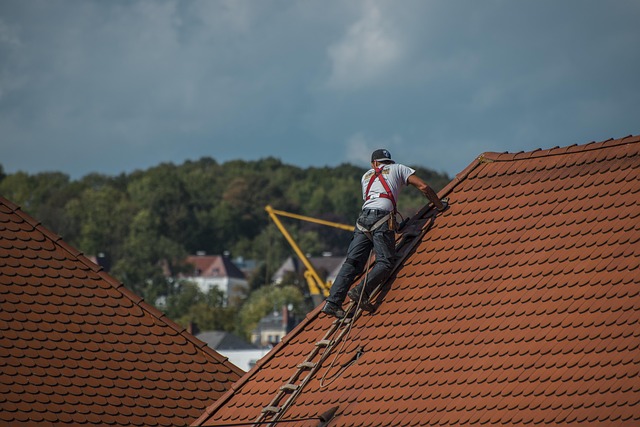

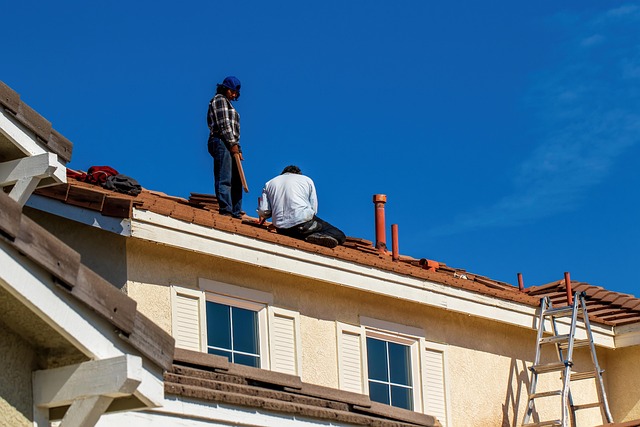
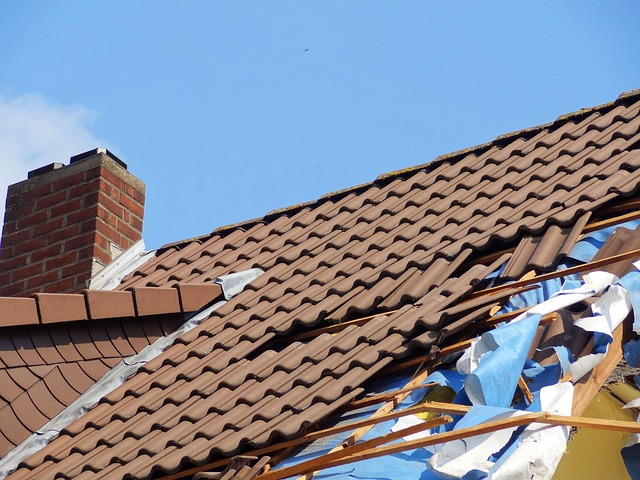
Tools and Calculators
Sometimes you don’t need a deep dive. You just want to ballpark a number or walk through a quick checklist. That’s what these tools are for: helping you get your bearings before picking up the phone.